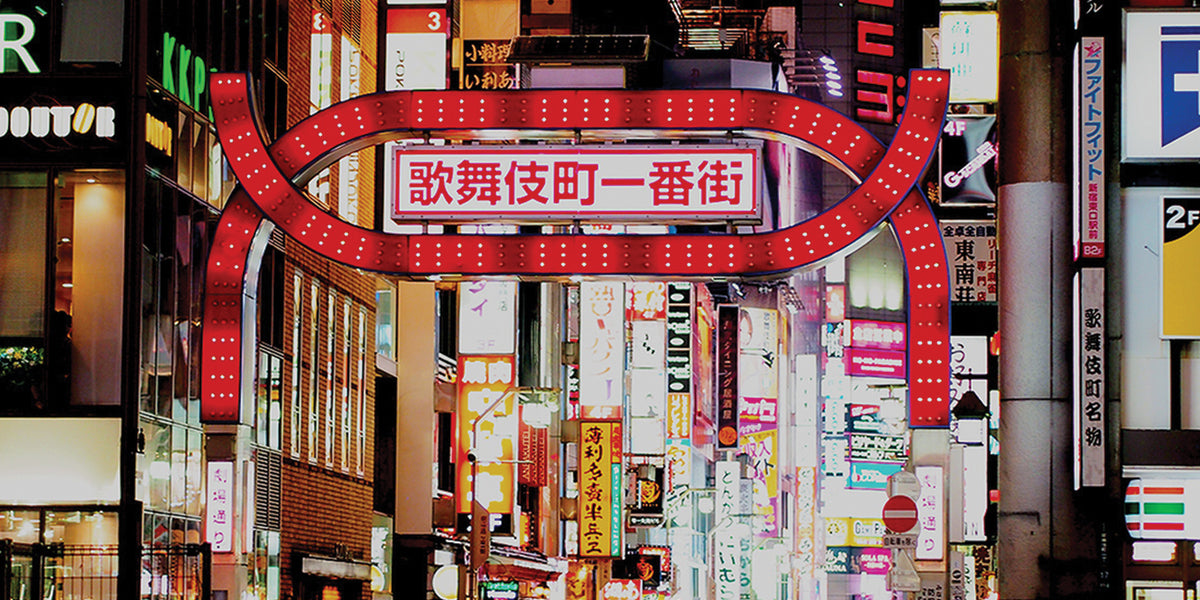
Kabukicho is the most photographed neon in Japan and the district most often described in ways that don't help anyone. It is not dangerous in the way that phrase implies — violent crime is rare and you can walk it late at night — but it does contain a small number of businesses that make their money from confused visitors, and knowing which is which is the whole skill.
So this is a practical guide rather than an atmospheric one.
What it actually is
Tokyo's largest entertainment district, in Shinjuku, planned after the war as a kabuki theatre quarter — hence the name — in a project that was never built. What filled the space instead was bars, restaurants, cinemas, karaoke, game centres, hotels and the adult trade, layered vertically: a single building may hold ten businesses across ten floors.
That verticality is the thing to understand. Kabukicho is not really a street-level district, which is why it can feel opaque.

The one rule
Never follow a tout. Street touting is illegal in Kabukicho and the people doing it anyway are, by definition, running a business that needs to catch people who didn't choose it. The scam is consistent: a friendly approach in English, a bar upstairs, and a bill at the end several times what you expected, with staff between you and the door.
This is avoidable in its entirety. Decline politely, keep walking, and choose your own doors. A place you found yourself, with prices posted, is fine.
What we'd actually send you for
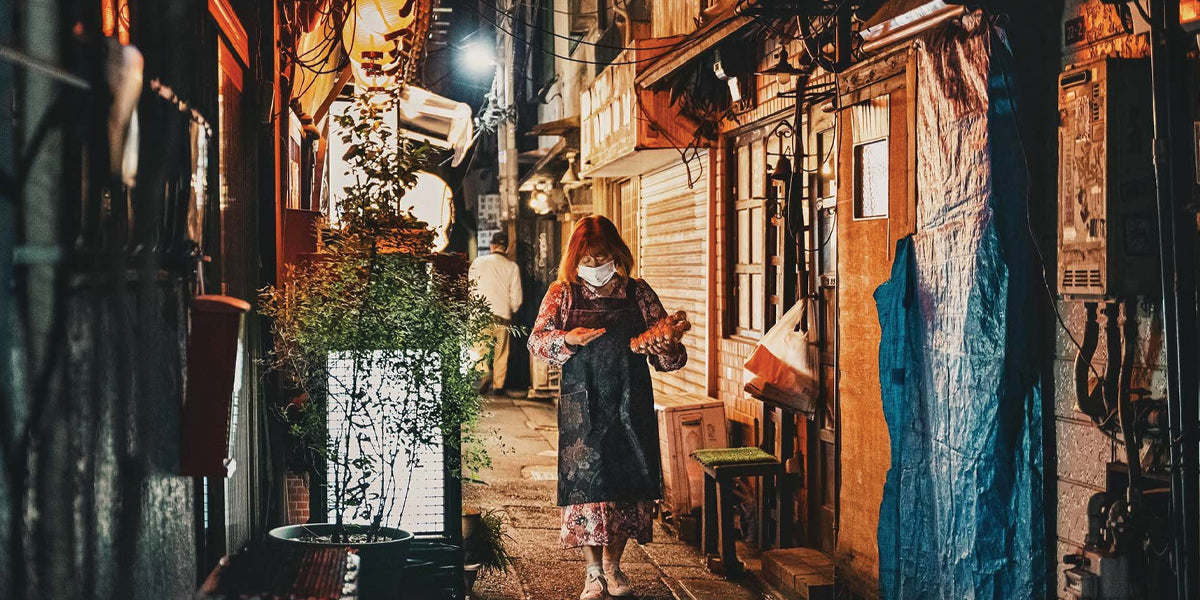
Golden Gai, technically adjacent, is where the interesting drinking is — a few hundred tiny themed bars, most with a posted seating charge.
Omoide Yokocho, on the other side of the station, for grilled food at a counter under the tracks.
Kabukicho Tower, opened in 2023, which put a large entertainment complex — cinema, live venues, a themed food hall, hotels — right at the district's edge. It is polished and easy, and a reasonable entry point if the alleys feel like a lot.
The Godzilla head on the Toho building, which is silly and which everyone photographs anyway.

Practical notes
Ask the price before you sit down anywhere you weren't specifically recommended. Reputable bars post their charges; it is not rude to ask.
Expect a seating fee at most bars. It is normal, it is not a scam, and it is usually a few hundred yen.
Trains stop around midnight and taxis after that are expensive. Decide in advance which side of that line your evening is on — it is a more common problem for visitors than anything else in this district.

Who it suits
Not everyone, and we'd rather say so. If what you want from a Tokyo evening is a quiet counter and a good meal, Kabukicho is noise you don't need, and there are better parts of Shinjuku for you three minutes' walk away. If you want to see the version of Tokyo that appears in films, walk through it — it delivers exactly that — and then go and eat somewhere else.
The district is best treated as a spectacle you pass through rather than a place you sink an evening into. That is not a criticism. It's simply what it's good at.
If you'd like an evening in Shinjuku built properly — the walk through the neon, then dinner somewhere worth sitting down in, with a car at the end of it — tell your Elite Tokyo Tours tour manager what sort of night you're after. We'll handle the reservations and make sure nobody is negotiating with a tout at eleven o'clock.