Sake, or nihonshu in Japan, is brewed from four things: rice, water, koji and yeast. Calling it rice wine is misleading. The process is closer to beer, with one twist found nowhere else. Koji, a cultivated mould, breaks rice starch into sugar while the yeast is already turning that sugar into alcohol, both at once, in the same tank.
What changes the taste
Two words on the label do most of the work. Junmai means those four ingredients and nothing else. Everything else has a small measure of distilled alcohol added at pressing, which lifts the aroma and lightens the body. It is a technique, not a shortcut.
The grades are really milling numbers. Honjozo leaves 70% of each grain or less, ginjo 60%, daiginjo 50%. The outer layers of the grain carry protein and fat, so grinding them away gives a cleaner, more fragrant sake, and uses far more rice per bottle. That is most of why daiginjo costs more. It does not make it better. A daiginjo is the more refined thing. A good junmai has more to say next to food.


Where it comes from
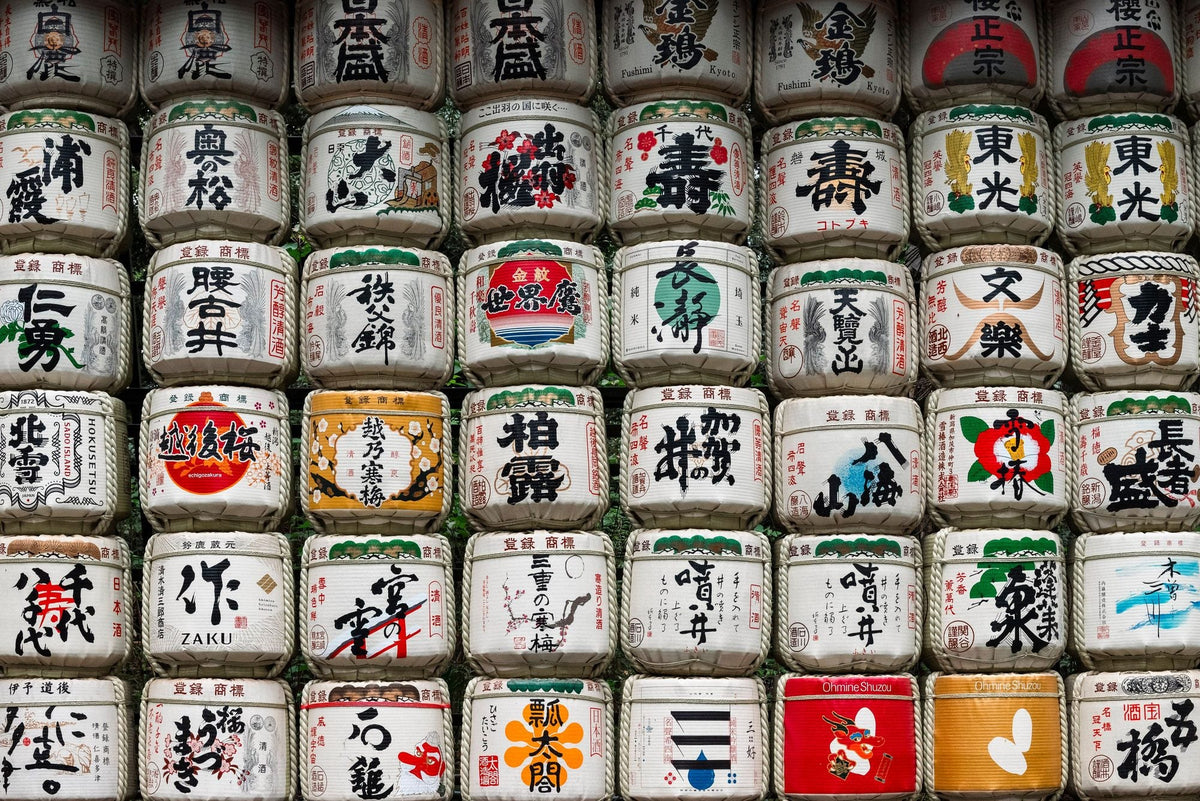
Region tells you more than grade does. Niigata built its name on tanrei karakuchi, light and dry. Nada, near Kobe, brews with hard mineral-rich water and lands firmer and more direct. Fushimi in Kyoto works with softer water and comes out rounder and gentler. Ordering by region moves you through a list on purpose.
Cold or warm
Cold is not automatically right. Aromatic ginjo and daiginjo are usually best cool, where the aromatics sit. A robust junmai, and almost anything labelled kimoto or yamahai, opens up warmed instead, because those older starter methods build more acidity and depth into the sake.
Warm sake in Japan is nothing like the flat, hot stuff poured abroad. Ask for nurukan, about 40°C, just above body temperature. When a list marks a bottle as suited to warming, that is a recommendation.

Four ingredients, a milling number, a region and a temperature. That is enough to read almost any list in Japan.
If sake is something you would like to take seriously on your trip, mention it to your Elite Tokyo Tours tour manager while the itinerary is still taking shape. We can arrange a brewery visit where one fits the route, and point you toward the izakaya and specialists whose lists are worth reading.