Shinjuku is a district of hard contrasts: towering office blocks on one side of the station, lantern-lit alleys barely two metres wide on the other. It rewards knowing where to go, because wandering it at random mostly produces crowds. Five things we think are worth your time.
1. Shinjuku Gyoen National Garden
You wouldn't associate this part of Tokyo with quiet, and yet. Originally an imperial garden, Shinjuku Gyoen is now open to the public and holds traditional Japanese, French formal and English landscape gardens on one site.
Our advice: it is at its best during cherry blossom season, from late March to early April, when pale sakura sits against the skyline behind it. It is also at its most crowded then — go early in the day, and note that the garden keeps limited hours and closes on Mondays outside peak seasons, so check before you build a morning around it.

2. Omoide Yokocho
A narrow alleyway of tiny eateries beneath the tracks, most seating no more than a dozen people, serving yakitori, soba and beer under glowing lanterns. It has been discovered — you will not be the only visitor — but the cooking at the better stalls is still the real thing.
Our advice: go at opening rather than at nine in the evening, when the alley is shoulder to shoulder. Counters this small run on turnover; order steadily rather than nursing one drink for an hour.

3. The Tokyo Metropolitan Government Building
The observation decks in the twin towers of the Tocho are free, which makes this the best value view in the city. It is not the highest vantage point in Tokyo, but it is the one you don't queue to pay for.
Our advice: arrive shortly before sunset and stay through it. Opening hours differ between the north and south towers and either can close for maintenance, so confirm on the day rather than turning up hopefully.

4. Golden Gai
A cluster of narrow lanes holding something over 200 bars, most of them the size of a large cupboard, many built around a theme — cinema, literature, punk, jazz.
Our advice: this is the part of Shinjuku most often gotten wrong. Many bars charge a seating fee, typically posted at the door; some welcome visitors and some are frankly for regulars, and both are fine. Read the sign, and if there isn't one in a language you read, choose another door rather than pushing in. Six seats means one loud group changes the room.

5. Kabukicho
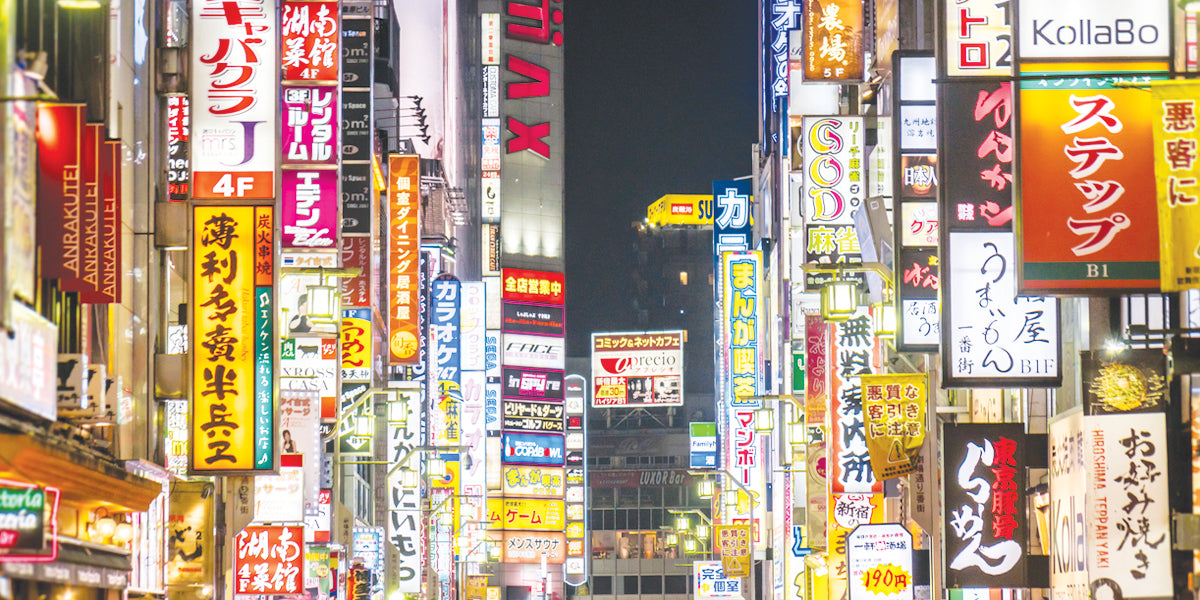
Tokyo's largest entertainment district, and a genuine sensory overload after dark: neon, crowds, themed cafes, arcades and everything around them.
Our advice: the Robot Restaurant, which appeared on every Tokyo list for a decade, closed permanently during the pandemic and has not returned. The Samurai Restaurant, opened in the same building by the same operator, runs a comparable show, so if that spectacle is what you came for, that is where it now lives. Worth knowing before you walk over looking for a venue that isn't there.

Shinjuku changes character completely between afternoon and midnight, and most visitors only ever see one of them. If you have a single evening here, we'd spend the last of the daylight at the Tocho and the rest of it eating.
If Shinjuku is on your itinerary and you'd rather not spend it guessing which door to open, tell your Elite Tokyo Tours tour manager what kind of evening you want. We'll build the route, handle any reservations worth making, and put you at the right counters.