A custom Tokyo tour works best when it is built around a clear point of view, not a long list of landmarks. This guide is for travelers who want a private day shaped around their interests, pace, hotel, and priorities. The goal is simple: choose what matters most, group it sensibly, and leave enough room to experience Tokyo rather than race across it.
Key takeaways:
- Start with two or three priorities, not a complete sightseeing list.
- Group stops by area and treat travel time as part of the plan.
- Share practical constraints early, including walking tolerance, meal needs, and fixed reservations.
- Keep one part of the day flexible for weather, energy, or an unexpected discovery.
What a custom Tokyo tour should solve
A private itinerary is valuable when the standard options do not fit. One person may care about architecture while another wants ceramics. A family may want anime shopping without spending the entire day in retail districts. A returning visitor may prefer small streets and contemporary design to headline sights.
Customization should resolve those differences before the day begins. It should also account for where the party is staying, what is already booked, how much walking feels comfortable, and whether there are items that must be included or avoided. These details change the shape of a day more than a generic list of popular places.
The official Tokyo travel guide offers a useful overview of experiences organized by interest. Use that kind of broad inspiration at the start, then narrow the plan to a smaller number of compatible priorities.

How to choose the focus of a private Tokyo itinerary
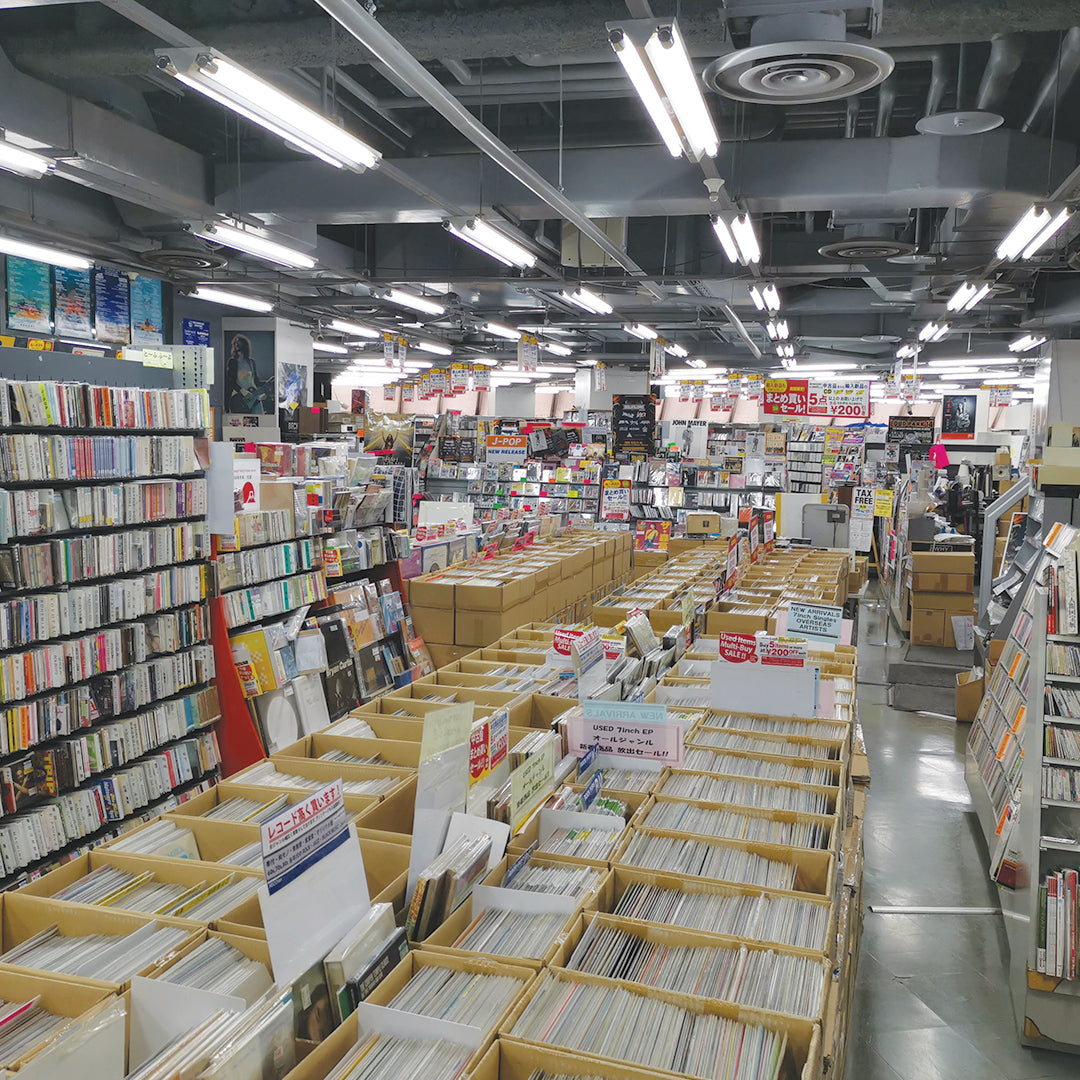
Begin by writing down three categories: essential, interesting, and optional. An essential item might be a specific museum, a return to Asakusa, or time to search for a particular record. Interesting items are welcome if they fit the route. Optional items are the first to go if traffic, weather, or energy changes.
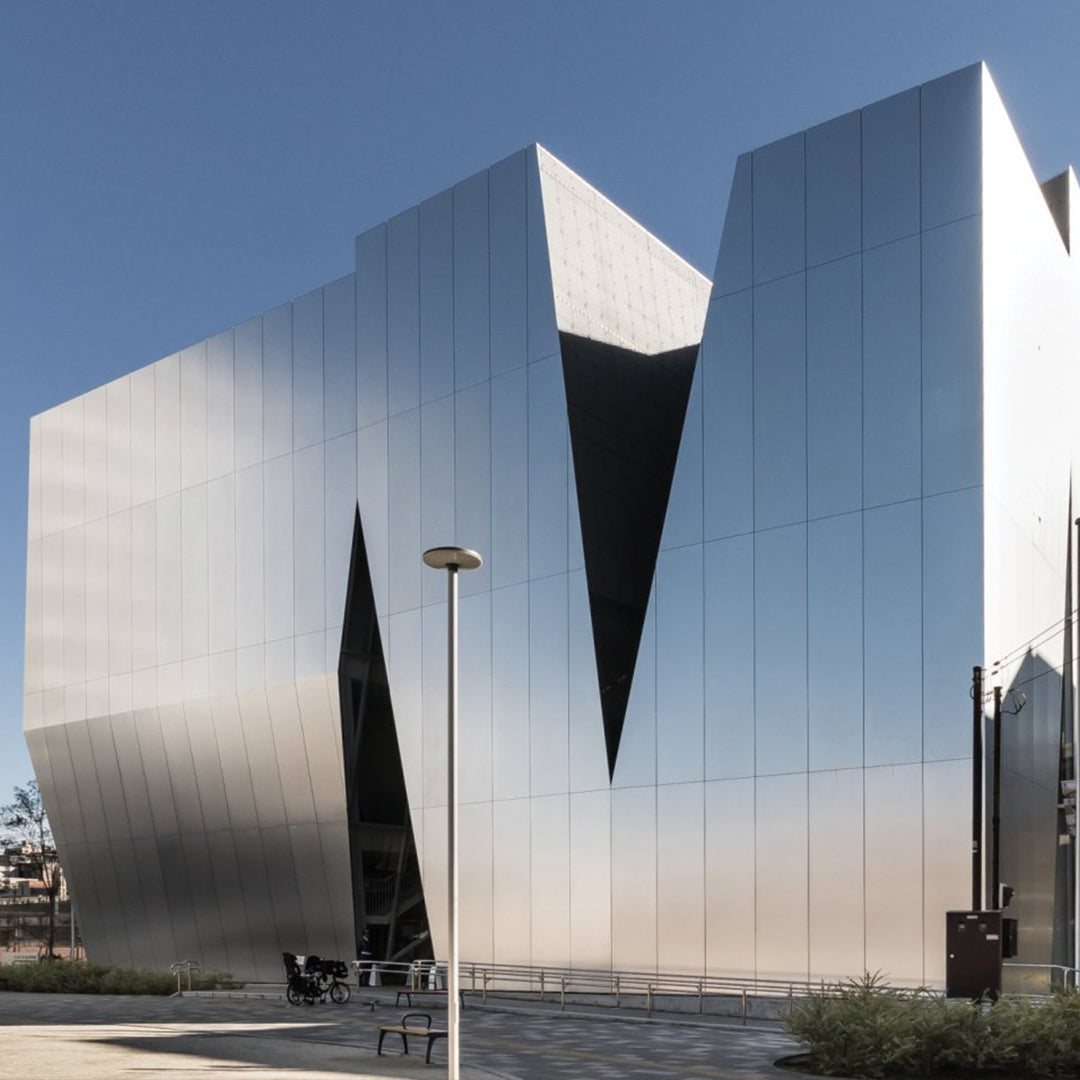
Then decide what kind of contrast you want. Tokyo can support a day that moves from traditional streets to contemporary architecture, from a major shopping district to a quieter neighborhood, or from a focused hobby stop to a broader introduction to the city. Contrast creates a memorable day. Randomness creates unnecessary transit.
Use a simple planning brief
- Two priorities: the experiences that would make the day feel successful.
- One useful contrast: a second side of Tokyo that complements those priorities.
- One fixed commitment: a reservation, ticket time, or hotel deadline that cannot move.
- One practical limit: walking, stairs, heat, food, or shopping capacity.
This brief is more useful than sending twenty map pins without an order. It explains the decisions behind the list and gives the planner room to protect the strongest parts of the day.

How to build a custom Tokyo route without rushing
Tokyo is large, and neighborhoods that look close on a simplified map can still require a meaningful transfer. The most efficient plan usually keeps the day within one side of the city or connects two compatible areas. It is often better to explore two districts properly than to touch five of them briefly.
Opening hours matter as much as distance. Museums often have a weekly closing day, specialist stores may open later than department stores, and a timed ticket can determine the whole sequence. Check official venue pages close to the travel date. The GO TOKYO three-day itinerary is a useful reminder that major areas are normally distributed across separate days, not compressed into one.
Build the day in blocks
- Anchor: place the fixed reservation or highest-priority stop first.
- Cluster: add nearby experiences that support the same theme.
- Pause: protect time for lunch, coffee, or a slower walk.
- Flex: hold one optional stop that can be added or removed cleanly.
A private vehicle can reduce some transfers and provide a place to leave purchases, but it does not remove every constraint. Parking, traffic, pedestrian-only streets, venue queues, and walking inside large complexes still affect the day. A realistic plan uses the vehicle where it adds value and allows time on foot where Tokyo is best experienced at street level.

What to send before your bespoke Tokyo day
The best planning input is specific but concise. Share the names and ages of travelers, hotel, preferred date, fixed reservations, mobility considerations, food restrictions, and the two or three interests that matter most. If shopping is involved, include brands, categories, sizes, and whether the goal is browsing or finding a particular item.
Links and screenshots help. So does a short explanation of why something matters. "Our daughter draws manga" gives better direction than "anime." "We collect studio ceramics for daily use" is more useful than "crafts." Context lets a planner choose stops that fit the people, not merely the category.
Be equally clear about what you do not want. If the party dislikes crowds, prefers not to visit religious sites, needs regular seating, or has already covered the main highlights, say so. A custom Tokyo tour becomes more personal when the planner understands both attraction and avoidance.

Frequently asked questions
How many places should a custom Tokyo tour include?
There is no universal number. A good day may contain one major timed visit, one neighborhood cluster, a meal, and a flexible final stop. The right count depends on distance, queues, walking, and how deeply you want to explore. Fewer well-matched stops usually feel better than a long checklist.
Can a private Tokyo itinerary combine different interests?
Yes, if the interests can be connected geographically or through a useful contrast. Art and craft, anime and shopping, or architecture and food can work well together. The planner should know which interest has priority so the day still feels coherent when time requires a choice.
When should the route be finalized?
Share priorities as early as possible, especially when timed tickets or reservations may be needed. Final details should still be checked close to the date because hours, exhibitions, store inventory, weather, and traffic conditions can change. A strong plan is prepared in advance but remains adaptable.
Turn the idea into a day
A custom Tokyo tour should feel edited, not generic. Start with the people in the party, identify the experiences that matter, and let the route support those priorities. For more inspiration, explore our guides to art and design in Tokyo and planning an anime and manga day.
Ready to shape your own day? Share your interests, pace, and practical requirements when you book a Bespoke Tour. Specific venues and arrangements are confirmed according to current availability and the needs of your party.