A Tokyo anime and manga tour should begin with the fan, not the neighborhood. Akihabara, Nakano, Ikebukuro, and other districts offer different kinds of browsing, but no single route suits every series, generation, or collector. This guide is for families, longtime fans, and curious newcomers who want a focused day without losing hours in the wrong stores.
Key takeaways:
- List favorite series, characters, creators, games, and merchandise types before choosing areas.
- Use Akihabara for breadth, then add another district only if it serves a distinct interest.
- Do not expect a specific collectible, display, collaboration, or cafe to be available.
- Plan for crowds, vertical shopping buildings, and different energy levels within the group.
Build a fan profile for a Tokyo anime and manga tour
Anime and manga are not one interest. A visitor searching for vintage robot toys needs a different route from someone who follows a current idol series, collects original-language manga, plays retro games, or wants character goods for young children. Start with names and images, not broad labels.
Create a short list with three levels: must-find, would-enjoy, and general browsing. Include merchandise type, preferred condition, budget, and whether secondhand items are acceptable. If language matters, note whether the traveler wants Japanese editions, translated editions, or visual collectibles that do not require reading.
Details that make the plan more useful
- Series and characters: include Japanese spellings or reference images when possible.
- Format: manga, figures, trading cards, games, animation art, apparel, or small goods.
- Era: current releases, childhood favorites, or vintage material.
- Condition: new, secondhand, unopened, or display condition.
- Experience: shopping, exhibitions, games, themed food, or neighborhood atmosphere.

How to choose areas for a Tokyo anime tour
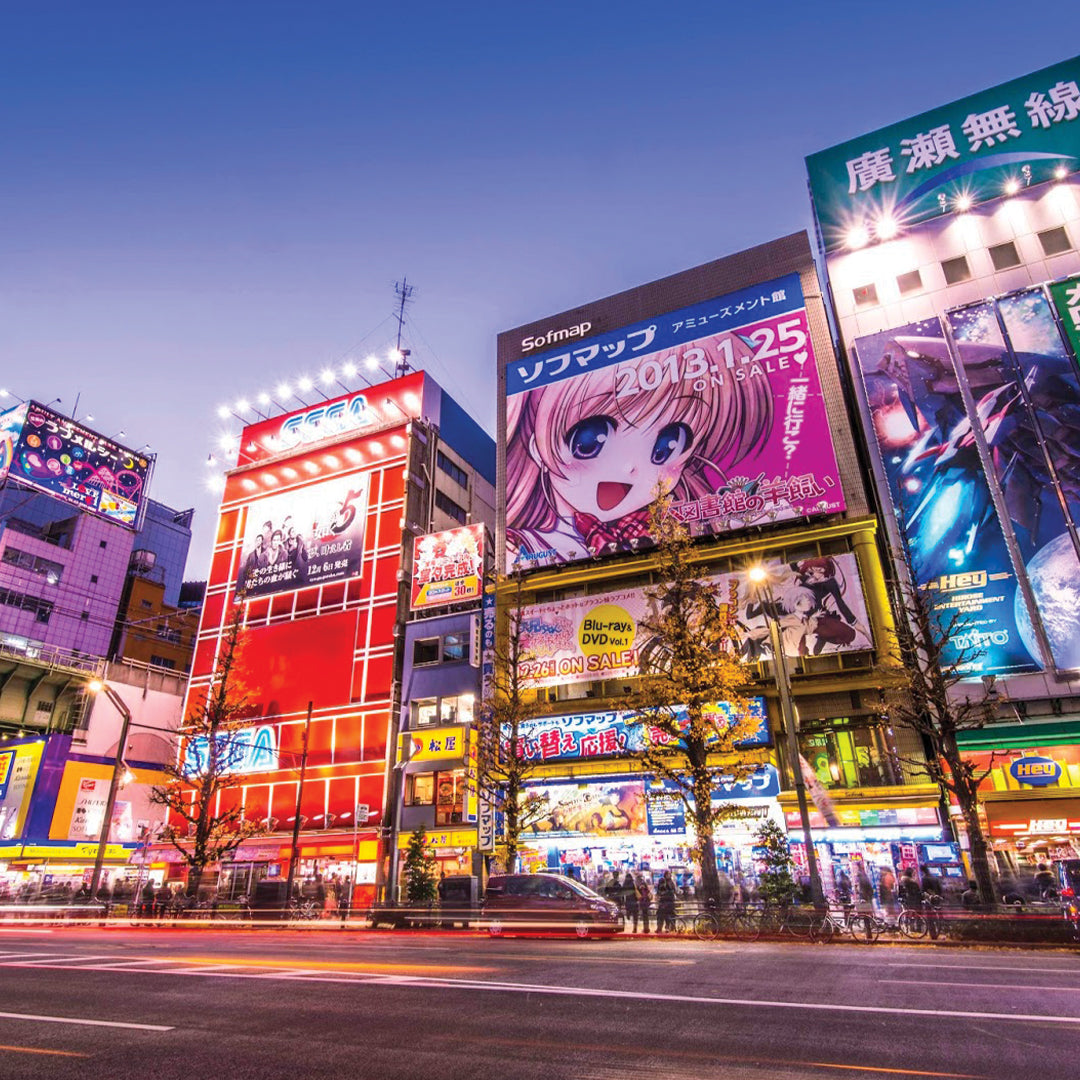
Akihabara is the broadest starting point for many visitors. The official Tokyo guide describes it as a center for gaming, manga, figures, anime, electronics, and related subcultures. The density is useful, but it can also be overwhelming. Large buildings may hold different specialties on different floors, so a plan should name the first priorities before entering.
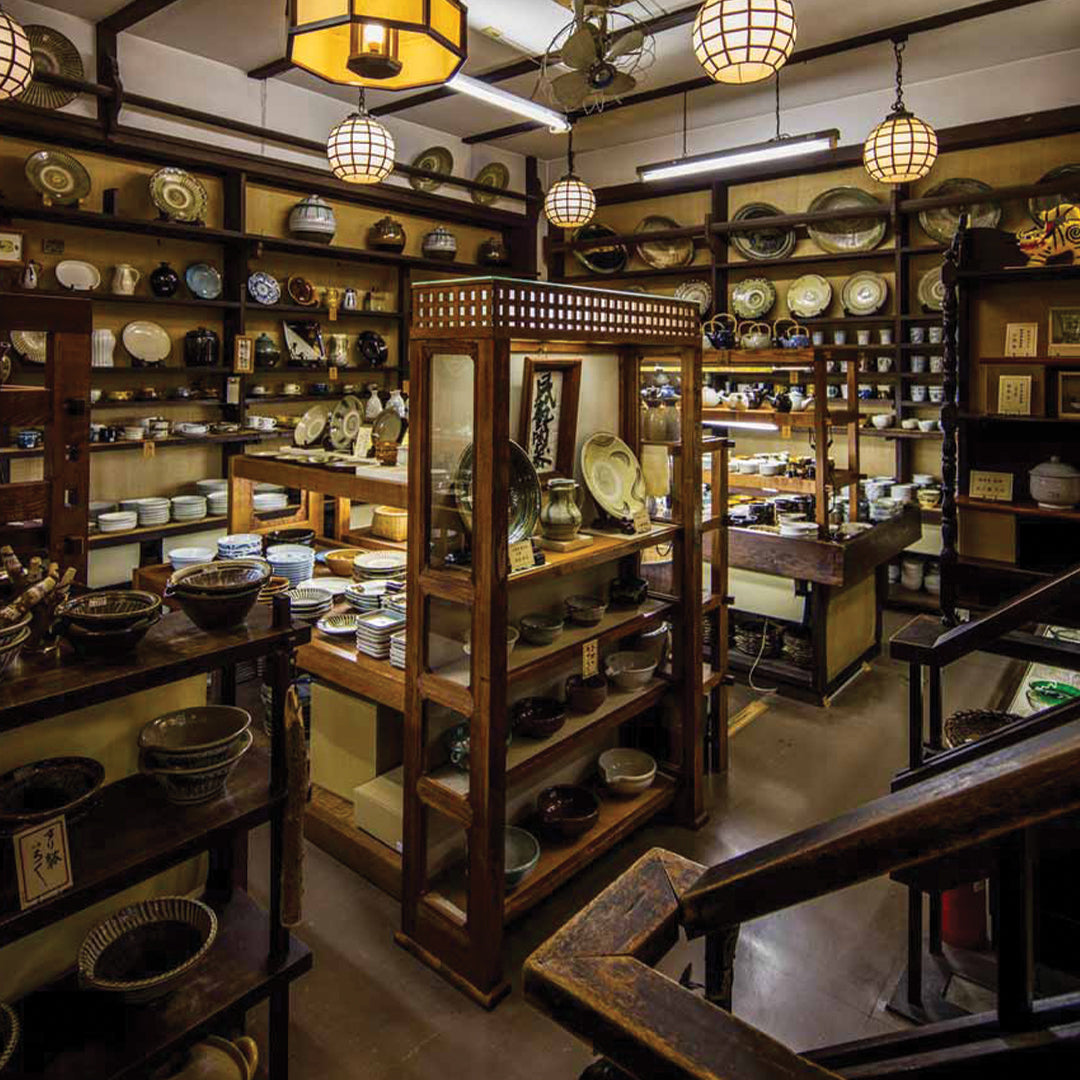
Nakano is a strong alternative or second focus, particularly for collectors interested in older or secondhand material. GO TOKYO describes Nakano as a hub for anime, manga, and subculture, with Nakano Broadway at the center of that identity. It feels different from Akihabara and should be chosen for that difference, not simply added as another checkbox.
Ikebukuro and other areas can suit particular audiences, events, or current collaborations. Odaiba may be relevant for large-scale attractions and displays. The correct district depends on the fan profile and the calendar. Pop-ups, exhibitions, cafe collaborations, and store locations change frequently, so confirm them close to the date.

Plan collectibles, manga, and game shopping
Shopping buildings in anime districts are often vertical. A ground-floor glance may reveal very little about the specialties above. Review floor guides where available and decide which categories deserve time. This is especially important for a mixed group, since one collector can easily spend an hour in a single section.
For secondhand goods, inspect condition labels and packaging carefully. An item may be complete, missing accessories, opened, sun-faded, or sold as-is. Translation can help clarify a label, but it does not create a guarantee beyond the seller's stated terms. Keep receipts and ask about returns before purchase, since policies vary.
Specific products cannot be promised. Limited releases, lottery sales, event merchandise, and collaboration items may involve dates, entry systems, purchase limits, or advance reservations. Avoid an itinerary that depends on an unconfirmed item. Treat the search itself as part of the experience.

Keep the anime and manga day comfortable for the whole party
Anime may be the shared theme, but the group can still have different limits. Ask how long each person enjoys browsing, whether anyone needs regular seating, and whether crowded stairways or narrow aisles are difficult. Build in a meal and a quieter pause before attention drops.
Parents should review age suitability for stores, displays, cafes, and entertainment venues. Some buildings contain adult-oriented material alongside general merchandise, and floor organization varies. A route for children should be selected deliberately rather than assuming every popular anime stop is family-oriented.
Companions who are less interested in shopping may prefer an arcade, cafe, electronics stop, neighborhood walk, or another nearby activity. A private itinerary can give the main fan meaningful time while keeping the day balanced for everyone else.

Frequently asked questions
Is Akihabara enough for a full anime day in Tokyo?
For many visitors, yes. Akihabara has enough breadth for several hours of anime, manga, game, figure, and electronics shopping. A second district is useful only when it serves a distinct interest, such as older collectibles in Nakano or a specific confirmed exhibition elsewhere.
Is Nakano Broadway better than Akihabara?
Neither is universally better. Akihabara offers a dense, high-energy mix of current pop culture, electronics, games, and merchandise. Nakano often suits collectors seeking a different atmosphere and more secondhand or older material. Choose based on the fan's series, era, and preferred type of shopping.
Can a tour guarantee limited anime merchandise?
No. Limited items can sell out, require lottery entry, impose purchase limits, or appear only during a specific event. Share the exact item in advance so current options can be checked, but do not treat availability as confirmed until the relevant seller or event has verified it.
Let the fan define the day
A strong Tokyo anime and manga tour turns specific interests into a sensible route. It protects the fan's priorities while respecting the time and energy of the whole party. For a broader planning framework, read how to plan a custom Tokyo tour, or explore our guide to a private Tokyo shopping day.
Want a route built around particular series or collectibles? Share favorites, formats, ages, and shopping goals when you book a Bespoke Tour. Stores, displays, events, and merchandise remain subject to current schedules and availability.