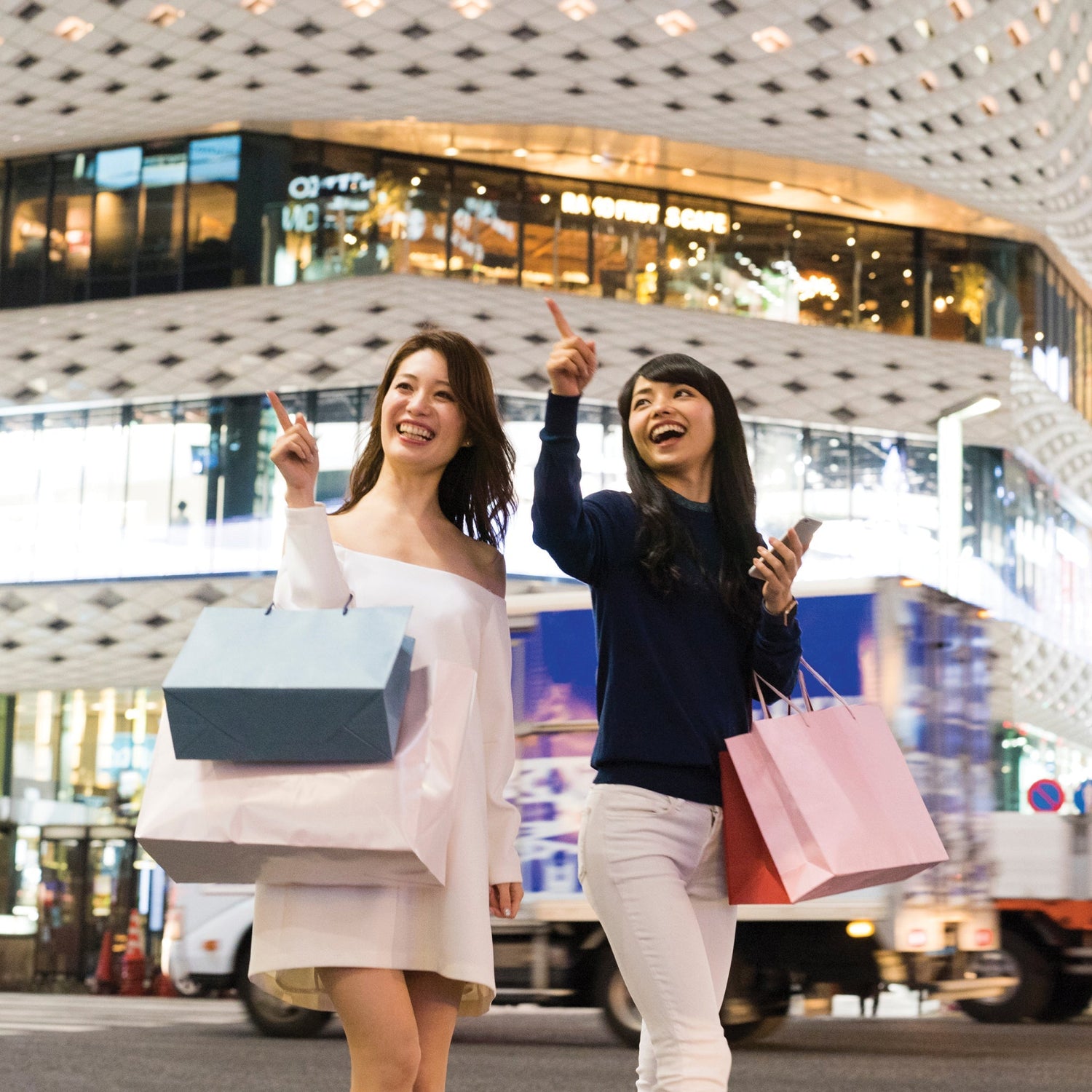
Tokyo does not have one definitive shopping district. Its retail scene is spread across neighborhoods with distinctly different strengths: Ginza for department stores and luxury, Omotesando for fashion and design, Harajuku for youth culture, Akihabara for electronics and collectibles, and Shinjuku for sheer variety. This guide is for travelers deciding which Tokyo shopping areas belong on their itinerary and which stores are worth using as starting points.
Key takeaways:
- Ginza is the classic choice for luxury brands, established department stores, and Japanese stationery.
- Omotesando combines designer flagships, striking architecture, and design-led lifestyle stores.
- Harajuku is best for youth fashion, streetwear, beauty, character goods, and trend-watching.
- Akihabara specializes in electronics, gaming, anime, manga, figures, and retro collectibles.
- Shinjuku offers the broadest one-stop mix of department stores, food halls, books, and everyday goods.
Tokyo shopping areas at a glance
The best area depends less on which neighborhood is most famous and more on what you want to buy. Each of these five districts can fill several hours on its own, so choosing by category usually produces a better day than trying to visit all of them at once.
| Area | Best for | Good starting points |
|---|---|---|
| Ginza | Luxury, department stores, stationery, fine gifts | Ginza Mitsukoshi, GINZA SIX, Ginza Itoya |
| Omotesando | Designer fashion, architecture, art, contemporary design | Omotesando Hills, MoMA Design Store, Spiral Market |
| Harajuku | Youth fashion, streetwear, beauty, character goods | Laforet Harajuku, @cosme TOKYO, Kiddy Land |
| Akihabara | Electronics, anime, manga, figures, retro games | Yodobashi Camera, Radio Kaikan, Mandarake Complex |
| Shinjuku | One-stop shopping, fashion, food halls, books, home goods | Isetan Shinjuku, Takashimaya Times Square, Books Kinokuniya |
Ginza: department stores, luxury, and Japanese craftsmanship
Ginza is one of Tokyo's most polished shopping areas. Chuo-dori is lined with international flagships, while the side streets hold galleries, specialist boutiques, restaurants, and long-established Japanese businesses. The official GO TOKYO Ginza guide highlights the district's combination of historic department stores and newer retail complexes.
Choose Ginza when service, presentation, and a concentrated selection of high-end brands matter. It is also stronger than its luxury reputation suggests for stationery, art supplies, food gifts, and well-made Japanese household items.
Stores to visit in Ginza
- Ginza Mitsukoshi: a landmark department store for fashion, cosmetics, accessories, and an excellent depachika food hall.
- GINZA SIX: a contemporary luxury complex that brings fashion, beauty, art, books, restaurants, and Japanese brands into one building.
- Ginza Itoya: a destination for notebooks, fountain pens, paper, cards, leather goods, art materials, and thoughtful gifts.
Also worth considering: Matsuya Ginza for fashion, design, and its food floor; Wako for watches and refined gifts; and the smaller boutiques between Ginza-itchome and Higashi-Ginza.

Omotesando: designer fashion, architecture, and modern design
Omotesando is the area for shoppers who care as much about the setting as the purchase. Major fashion houses occupy architect-designed flagships along the avenue, while the streets toward Aoyama introduce galleries, cafés, furniture, beauty, and independent design. The atmosphere is calmer and more considered than nearby Harajuku, although the two areas meet around Meiji-jingumae.
Come here for international and Japanese designer fashion, contemporary interiors, museum-quality design objects, or simply an architectural walk with shopping along the way.
Stores to visit in Omotesando
- Omotesando Hills: an avenue-front complex with fashion, jewelry, beauty, lifestyle stores, pop-ups, and restaurants inside a Tadao Ando-designed building.
- MoMA Design Store Tokyo: a focused source for home accessories, desk objects, books, prints, and gifts selected through a modern-design lens.
- Spiral Market: part of the Spiral cultural complex in Aoyama, with contemporary Japanese tableware, textiles, stationery, accessories, and rotating exhibitions.
Also worth considering: the individual flagships along Omotesando, small fashion and eyewear stores on Cat Street, and galleries or lifestyle shops deeper into Aoyama.

Harajuku: youth fashion, streetwear, beauty, and character goods
Harajuku is compact, crowded, and constantly changing. Takeshita Street brings affordable fashion, accessories, sweets, and souvenirs; the streets around Meiji-dori and Ura-Harajuku lean toward streetwear, sneakers, vintage clothing, and independent labels. It is the strongest choice for seeing how Tokyo's youth trends move from subculture into mainstream retail.
Harajuku suits shoppers who prefer discovery over formality. Store turnover and pop-ups are part of the appeal, so treat the names below as dependable anchors and leave time for whatever is new between them.
Stores to visit in Harajuku
- Laforet Harajuku: a vertical fashion landmark known for youth labels, alternative styles, accessories, beauty, and frequent limited-time shops.
- @cosme TOKYO: a multi-floor beauty flagship near Harajuku Station where shoppers can compare popular Japanese and international cosmetics.
- Kiddy Land Harajuku: a character-goods destination for Japanese and international franchises, toys, stationery, and easy-to-pack gifts.
Also worth considering: Ura-Harajuku for streetwear and vintage, Cat Street for a walk toward Shibuya, and specialist sneaker stores featured in our Tokyo sneaker shopping guide.

Akihabara: electronics, anime, games, and collectibles
Akihabara still lives up to its Electric Town name, but electronics are now only part of the story. Large retailers stand beside narrow specialty shops selling computer parts, cameras, audio equipment, model kits, trading cards, figures, manga, and retro games. The official GO TOKYO Akihabara guide describes this overlap between technology retail and otaku culture.
Choose Akihabara when the shopping list is specific. Collectors should bring titles, character names, model numbers, photographs, or product codes because similar-looking items may differ by edition, condition, language, or region.
Stores to visit in Akihabara
- Yodobashi Camera Multimedia Akiba: a convenient first stop for cameras, computers, electronics, appliances, toys, games, and accessories close to the station.
- Akihabara Radio Kaikan: a multi-tenant building packed with specialist retailers for figures, model kits, dolls, trading cards, and hobby goods.
- Mandarake Complex: a multi-floor secondhand destination for manga, toys, figures, animation material, idol goods, and niche collectibles.
Also worth considering: Super Potato for retro games, smaller component shops around Electric Town, and the specialist stops in our Tokyo anime and manga guide. Stock and prices can change quickly, especially for used or limited items.
Shinjuku: the best all-rounder for one-stop shopping
Shinjuku is less specialized than the other areas and more comprehensive. Around one enormous transport hub, shoppers can move between department stores, fashion complexes, electronics retailers, pharmacies, bookstores, discount shops, and food halls. It is a practical choice for mixed-interest groups or anyone with only one shopping window in a busy itinerary.
The station divides the district into different retail zones. The east side is convenient for Isetan, fashion, beauty, and the main entertainment streets; the south side leads to Takashimaya Times Square and NEWoMan; the west side has major electronics retailers and department-store shopping.
Stores to visit in Shinjuku
- Isetan Shinjuku: a fashion-led department store with strong beauty, accessories, homeware, Japanese brands, and a celebrated basement food floor.
- Takashimaya Times Square: a broad department-store and specialty-retail complex with fashion, food, gifts, Hands, and other everyday categories.
- Books Kinokuniya Shinjuku Main Store: a flagship bookstore for Japanese books, magazines, art and design titles, comics, maps, language study, and selected foreign-language books.
Also worth considering: NEWoMan and Lumine for contemporary fashion and gifts, Keio Department Store on the west side, and Yodobashi Camera or BicCamera for electronics. The official Shinjuku shopping guide is useful for understanding the station's main retail zones before arriving.

How to combine the areas
Omotesando and Harajuku are the easiest pair because the neighborhoods meet and can be explored on foot. Ginza and Akihabara also work as a two-area day when the group wants luxury or stationery followed by electronics and collectibles. Shinjuku is usually better treated as a self-contained shopping session, especially when navigating the station and larger department stores for the first time.
Opening hours, store lineups, tax-free procedures, and stock can change. Check the official store pages shortly before visiting, carry the original documents required for any tax-free purchase, and confirm warranties or return conditions before buying electronics or high-value goods.
Frequently asked questions
What is the best shopping area in Tokyo?
There is no single best area for every shopper. Choose Ginza for luxury and department stores, Omotesando for designer fashion and modern design, Harajuku for youth trends, Akihabara for electronics and collectibles, or Shinjuku for the widest one-stop selection.
Can I shop in Omotesando and Harajuku on the same day?
Yes. Omotesando and Harajuku border each other, and many visitors explore them in one continuous walk. Start around Omotesando Station for designer flagships and design stores, then continue toward Meiji-jingumae and Harajuku for streetwear, beauty, character goods, and youth fashion.
Which Tokyo shopping area is best for anime and electronics?
Akihabara is the strongest starting point for electronics, anime, manga, games, figures, trading cards, and hobby goods. Large stores are easy to find, but collectors should also explore multi-tenant buildings and specialist shops. Bring exact titles or model numbers when searching for a particular item.
Which area has the best Tokyo department stores?
Ginza and Shinjuku have the strongest department-store concentrations for most visitors. Ginza feels more refined and luxury-oriented, while Shinjuku offers greater variety around a major transport hub. In either area, the basement food halls are worth visiting for prepared foods, sweets, and gifts.
Choose an area that matches what you want to find
The most useful way to compare Tokyo shopping areas is not as a single list of famous stores, but by matching each neighborhood's retail character to your interests. Choose one primary area, add a second only when it complements the first, and leave room for the smaller shops that make Tokyo rewarding to explore.
Want help building a private day around specific stores, brands, or interests? Share your priorities when you book a Bespoke Tour. Routes and store suggestions can be shaped around the group, with current availability confirmed before the day.

Leave a comment
This site is protected by hCaptcha and the hCaptcha Privacy Policy and Terms of Service apply.