Finding traditional Japanese crafts in Tokyo is less about locating one perfect shop and more about choosing the right neighborhood. Kappabashi is built around cooking and tableware. Nihonbashi has old paper merchants. Kuramae brings craft into the present tense, while the Aki–Oka railway arcade gathers small makers under one roof. Ginza, surprisingly, is where you can step away from the luxury flagships and find Japanese folk craft made for daily life.
The stores below sell objects from Tokyo and from craft regions across Japan. Ask where a piece was made, how it should be used, and who made it if attribution matters to you. A bowl, knife, notebook, or length of dyed cloth becomes a much better souvenir when it has a place in your life after the trip.
At a glance:
- Kappabashi: knives, ceramics, lacquerware, glass, and practical kitchen tools.
- Nihonbashi: washi, stationery, paper history, and hands-on papermaking.
- Kuramae: contemporary workshops and shops in a neighborhood of small makers.
- Akihabara–Okachimachi: an easy indoor-outdoor arcade for browsing many craft businesses.
- Ginza: a compact folk-craft shop amid the grand department stores.
Kappabashi and Nishi-Asakusa: crafts for the kitchen
Kappabashi is a working restaurant-supply district, which is precisely what makes it interesting. The long shopping street between Ueno and Asakusa is lined with stores selling knives, pots, ceramics, lacquerware, glassware, noren curtains, signs, and the famously convincing food models seen in restaurant windows.
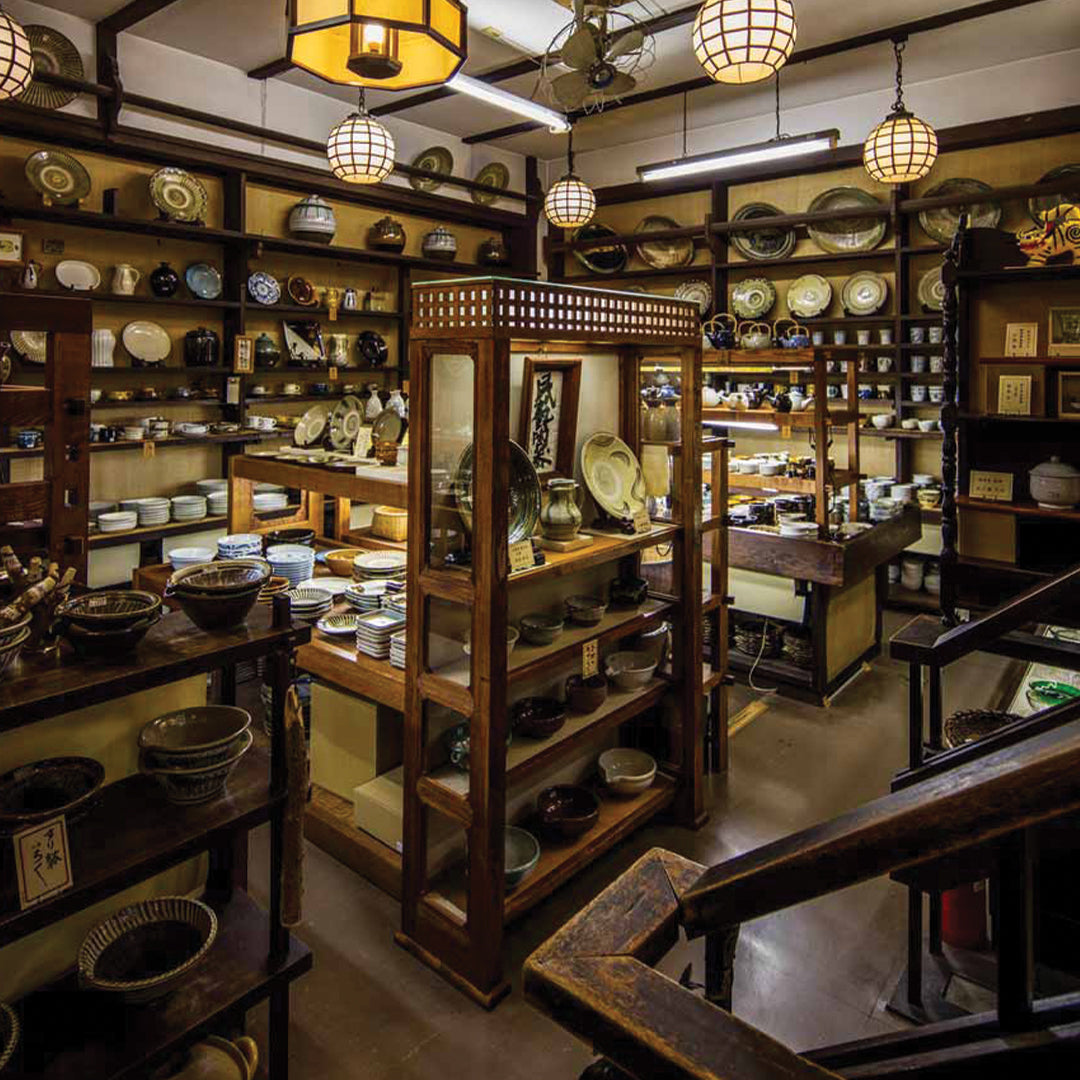
For Japanese tableware, start at Dengama. Its shelves bring together everyday and special-occasion pieces from pottery regions around Japan, including Mino, Arita, Kutani, Hasami, and Kyoto. The range is broad enough to compare glazes and shapes without pretending that every piece comes from the same tradition.
A little farther along, KAMA-ASA specializes in knives and kitchen tools. A beautiful knife is easy to want and easy to buy badly, so talk through what you cook, the size you actually use, your comfort with carbon steel, and how you sharpen at home. The most photogenic blade is not always the one you will reach for every night.
Kappabashi rewards patience. It is tempting to buy from the first wall of blue-and-white bowls, but similar pieces can feel very different in the hand. Compare weight, rim, foot, finish, and care instructions before deciding.

Nihonbashi: Tokyo's old paper merchants
Nihonbashi is polished now, but its identity was built on commerce. Between new office towers and department stores, long-established businesses still sell paper, brushes, lacquerware, blades, seaweed, and other goods that have been traded here since the Edo period.
Haibara has dealt in washi in Nihonbashi since 1806. The shop is small enough to browse carefully and carries writing paper, envelopes, chiyogami, boxes, fans, and other paper goods in patterns that range from quietly traditional to surprisingly graphic. It is an easy place to find gifts that pack flat and still feel particular to Japan.
Ozu Washi, founded in 1653, goes deeper. Alongside a large paper selection, the building includes a history museum, gallery, cultural classes, and a studio for making a sheet of washi. If you want more than a shopping stop, this is the place to understand how fibers become paper and why different sheets behave so differently.
The two stores are close enough to visit on the same outing, but they do not feel repetitive. Haibara is especially good for finished paper goods and design; Ozu is the better stop for raw sheets, tools, history, and a hands-on experience. Workshop schedules and reservations should be checked in advance.

Kuramae: a neighborhood where people still make things
Kuramae once had warehouses and workshops serving the wholesale districts of eastern Tokyo. Many of those plain buildings now hold stationery studios, leather workshops, small design companies, cafés, and shops where production is still visible behind the retail surface. It is one of the best places to see how craft changes without losing its attention to material.
Kakimori is devoted to the pleasure of writing. You can browse pens, inks, and paper or build an order-made notebook by choosing the cover, paper, binding, and fastener. Upstairs, Inkstand offers color-based ink experiences by reservation. The result feels personal without relying on a souvenir-shop version of “Japanese design.”
Nearby, Maito Design Works works with plant-dyed textiles. Its Kuramae shop carries naturally dyed clothing, bags, socks, and other pieces, and the company also runs dyeing workshops at its nearby atelier. The colors are the reason to linger: plant dyes tend to have depth and variation that a product photograph flattens.
Kuramae is not a single shopping street, so allow time between stops. The walks are part of the appeal—old signs, small factories, the Sumida River, and the occasional shop that looks almost too quiet to be open.

Akihabara to Okachimachi: many small makers under the tracks
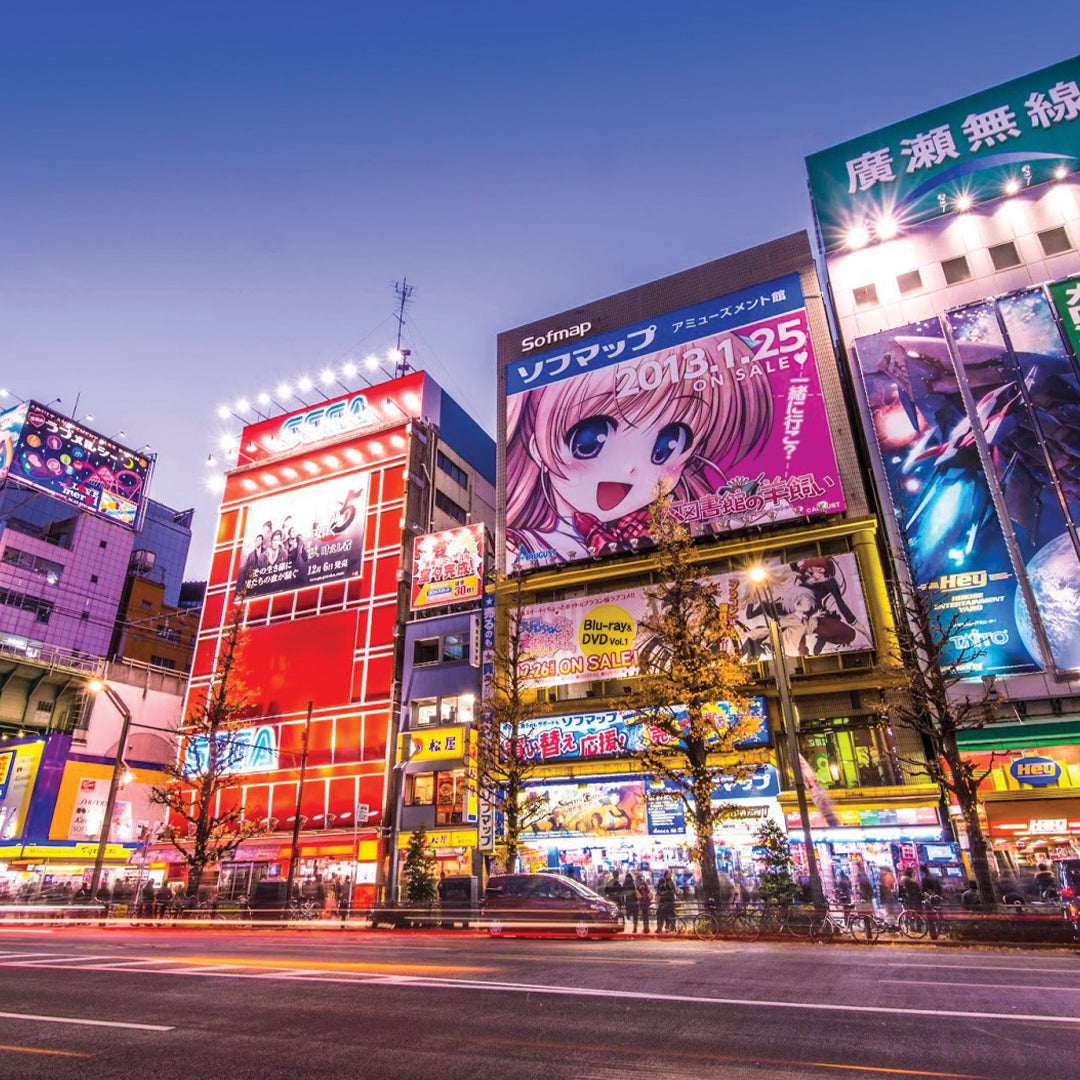
Between Akihabara and Okachimachi stations, the white arches beneath the JR railway hold 2k540 AKI-OKA ARTISAN. It is an unusual pocket of the city: part shopping arcade, part collection of studios, with around fifty businesses covering leather, jewelry, wood, textiles, accessories, and interior objects.
This is the easiest area on the list for broad browsing. You do not need to choose a single material before arriving, and weather matters less than it does in Kuramae. The tradeoff is that “made in Japan” and “traditional craft” are not interchangeable. Some shops work with inherited techniques; others are contemporary design businesses or small manufacturers. Read labels and ask questions if origin and process are important.
Maito Design Works has a second shop here with a wide selection of its plant-dyed products. Beyond that, the tenant mix changes, so use the official directory rather than relying on an old list of names. Go on a day other than Wednesday, the arcade's regular closing day, and confirm individual shop hours.
Ginza: folk craft behind the luxury storefronts
Ginza may seem like the opposite of a craft neighborhood. Most visitors come for department stores, fashion houses, galleries, and immaculate window displays. Tucked into that landscape, however, is Takumi Craft Shop, a long-running store shaped by the Japanese mingei, or folk-craft, movement.
Takumi carries useful objects from around Japan: ceramics, baskets, textiles, woodwork, lacquerware, and other pieces whose beauty comes from material and repeated use rather than precious display. It is compact, calm, and a welcome counterpoint to the scale of Ginza's department stores.
Choose Ginza when you want a focused craft stop within a broader central-Tokyo day. Choose Kappabashi or Kuramae when craft itself is the reason for the day.

How to choose and carry Japanese crafts home
- Ask where it was made. Tokyo shops sell work from across Japan, and the place of sale is not necessarily the craft's origin.
- Buy for a real use. Knowing that a bowl is for rice, a knife for vegetables, or paper for printmaking makes the choice easier.
- Check care instructions. Dishwasher safety, seasoning, sharpening, washing, sunlight, and humidity all matter depending on the material.
- Handle before deciding. Weight, texture, balance, and small irregularities are often the point of choosing craft in person.
- Plan the journey home. Ceramics need space, paper needs rigid protection, and knives must comply with airline, security, and customs rules.
Current opening days, workshop schedules, stock, and tax-free procedures can change. Check the linked store pages shortly before visiting, especially when one shop is the main reason for crossing the city.
Where traditional Japanese crafts in Tokyo still feel alive
Traditional Japanese crafts in Tokyo are easier to appreciate when the surroundings make sense. Kappabashi is about the working kitchen; Nihonbashi about paper and old commerce; Kuramae about small makers; Aki–Oka about variety; and Ginza about finding ordinary beauty in an extraordinary retail district. Pick one or two areas and look slowly.
For more ideas, compare Tokyo's broader shopping neighborhoods or explore the city's art and design areas.
Want a private day shaped around ceramics, paper, textiles, or knives? Tell us what you hope to use, learn, or bring home when you book a Bespoke Tour. We can connect the neighborhoods into a route that leaves time to look properly.