A Tokyo art and design tour is most rewarding when it connects a few strong ideas: traditional aesthetics, contemporary art, architecture, graphic design, or the way creative work appears in everyday spaces. This guide is for travelers who want more than a list of museums. It explains how to build a focused day with enough time to look closely.
Key takeaways:
- Choose one primary lens, such as contemporary art, architecture, or Japanese visual culture.
- Cluster museums and galleries by district before adding distant stops.
- Check current exhibitions, ticket rules, and weekly closing days directly with each venue.
- Balance formal institutions with streets, shops, or public spaces where design is part of the city.
Choose the right lens for a Tokyo art and design tour
Tokyo's creative landscape is too broad for one complete survey. The official GO TOKYO overview spans art, museums, traditional art, architecture, galleries, and current exhibitions. That range is an advantage, but only after the day has a focus.
Start by deciding what you want to understand. A first-time visitor may want one museum that gives context to Japanese art, followed by contemporary work and architecture. A designer may prefer material, retail, and graphic references. A collector may want more time in galleries and less time in large institutions.
Useful ways to frame the day
- Traditional to contemporary: trace how older forms and materials continue to influence current work.
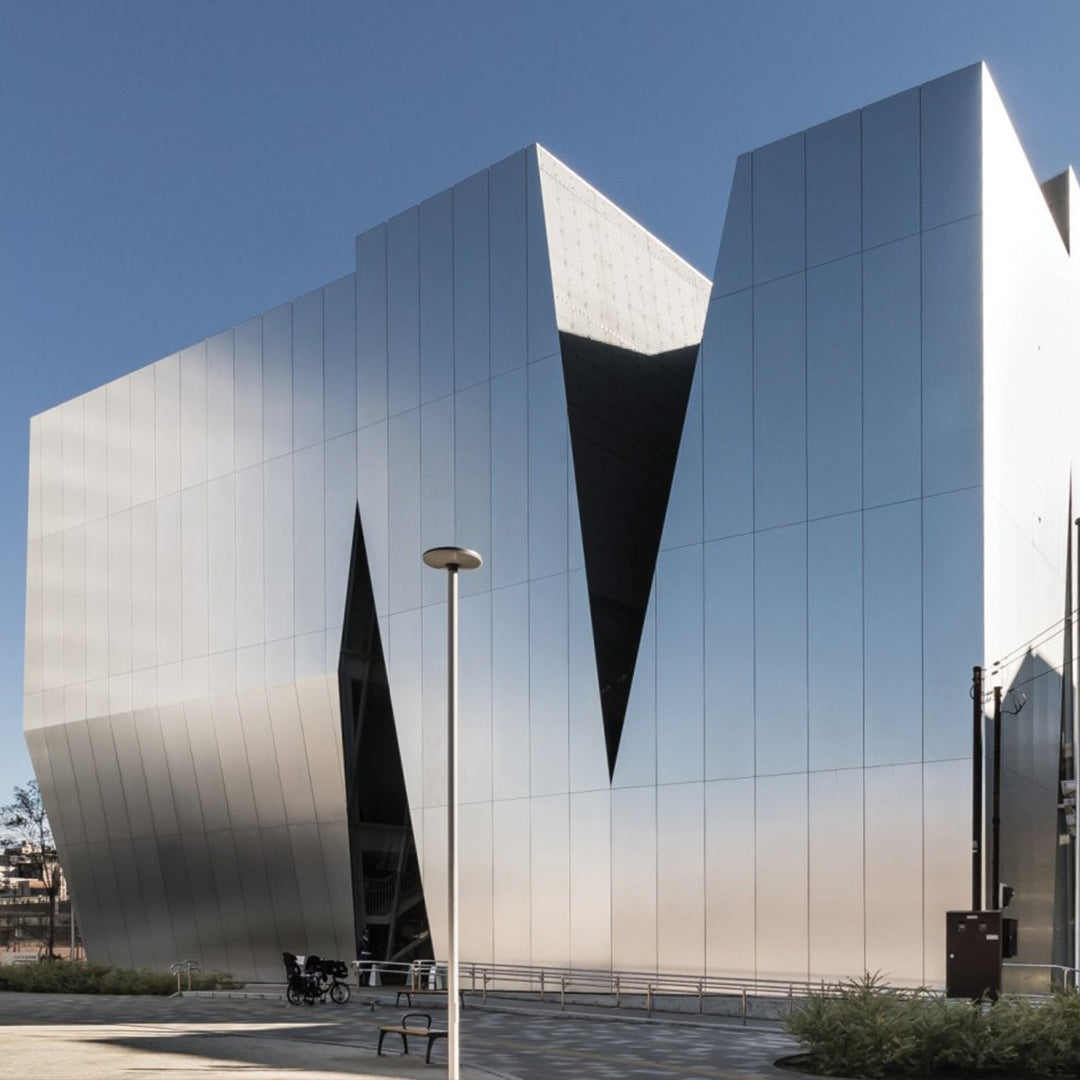
- Art and architecture: treat the buildings, approaches, and public spaces as part of the visit.
- Graphic Tokyo: focus on typography, packaging, print, signage, and visual systems.
- One medium: build around photography, ceramics, textiles, prints, or another defined interest.

How to build a Tokyo design itinerary by district
Geography protects attention. If the morning begins with a major museum, the next stop should usually be in the same area or on a direct path to the afternoon focus. Crossing the city repeatedly may look efficient on a map but can leave each visit feeling abbreviated.
Roppongi can support a concentrated art and design block because several institutions and public works sit in the wider district. Aoyama and Omotesando pair architecture, design-led retail, and museum visits. Ueno offers major museums in and around one park. Eastern Tokyo can connect traditional visual culture with newer creative spaces, depending on current exhibitions.
These are planning patterns, not fixed itineraries. Exhibition calendars change, galleries close between shows, and some museums close on Monday or Tuesday. GO TOKYO specifically advises checking gallery and museum schedules in advance. Use official venue pages for the final route.

Plan the pace around looking, not collecting stops
Art requires more variable timing than many sightseeing stops. One exhibition may take forty minutes; another may hold someone's attention for two hours. A gallery may be small but lead to a long conversation. The route should allow the group to stay with what is working.
A balanced plan often combines one substantial institution, a meal or pause, and a looser afternoon cluster. That cluster might include a smaller gallery, a design store, architecture viewed from the street, or a neighborhood walk. The change in scale keeps the day from becoming visually exhausting.
Questions that improve the plan
- Which artists, movements, architects, or media already interest you?
- Do you prefer a guided explanation or quiet time to look independently?
- Are you interested in buying work, books, or design objects, or only viewing?
- Would you rather see one major exhibition deeply or several smaller spaces?
These answers help distinguish a day for a practicing designer from a broad cultural introduction. They also prevent the itinerary from defaulting to whichever exhibition happens to be most heavily promoted.

What to prepare before an art and design day
Send a short list of references before the route is built. Images are often more useful than broad labels. A screenshot of a building, a favorite poster, or the name of a ceramic artist can reveal the visual direction quickly.
The Tokyo Metropolitan Foundation for History and Culture is another useful official starting point for current cultural institutions and programs. Use it for research, then verify the final exhibition and admission details with the individual venue.
Confirm timed tickets and current exhibitions through official sources. If a temporary show is essential, treat its admission time as the anchor. If the group includes children, older travelers, or someone who needs seating, check the venue's accessibility and rest options rather than assuming all museums work the same way.
Photography rules vary by institution and by exhibition. Some rooms permit photography without flash, while others prohibit it entirely. Follow the signage and staff instructions in each space. A design-focused day can still be documented through architecture, streets, books, and objects where photography is allowed.

Frequently asked questions
Which Tokyo area is best for art and design?
It depends on the focus. Roppongi supports a concentrated museum and design route, Aoyama and Omotesando connect architecture with design-led retail, and Ueno offers major museums in one broader area. Current exhibitions should decide the final choice more than a fixed ranking of districts.
Are Tokyo museums open every day?
No. Many museums and galleries have a weekly closing day, often Monday or Tuesday, and temporary closures can occur between exhibitions. Hours and ticket rules also change. Check each venue's official website close to the visit date before treating it as a confirmed stop.
Can an art tour include traditional Japanese craft?
Yes. Art and craft can form a strong day when the connection is deliberate, such as material, pattern, print, or the movement from historical technique to contemporary design. Keep the route geographically compact and decide whether viewing, shopping, or a pre-booked experience has priority.
Build an art day with a point of view
The best Tokyo art and design tour is not the one with the most institutions. It is the one that connects the right work, spaces, and neighborhoods for the people traveling. For a related approach, read our guide to traditional Japanese crafts in Tokyo or start with the broader framework for a custom Tokyo tour.
Want the day shaped around your interests? Tell us what you collect, make, study, or simply want to understand when you book a Bespoke Tour. Exhibitions, tickets, and specific stops are confirmed according to the date and current availability.