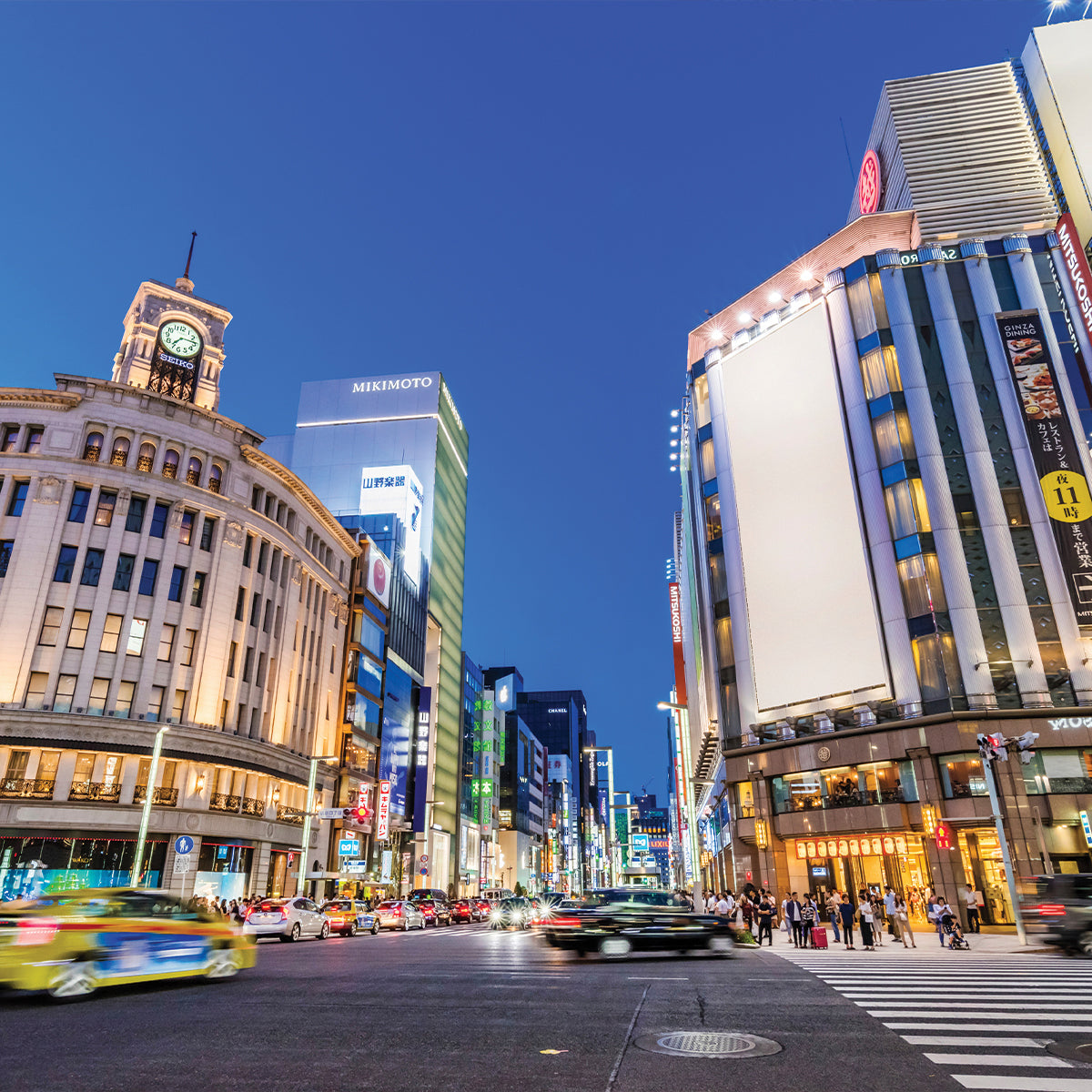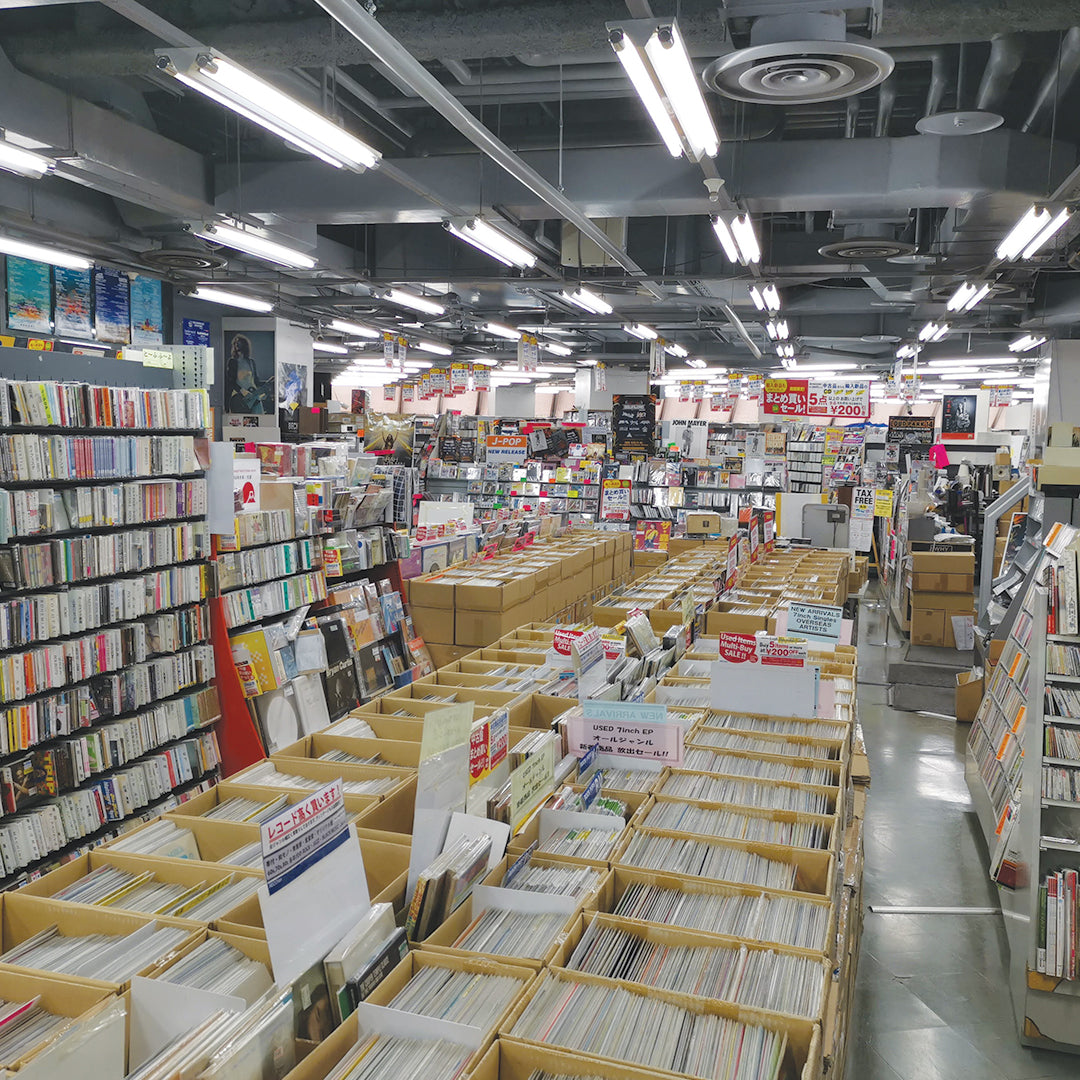
Tokyo record shopping becomes far more productive when the route begins with your collection, not a generic list of stores. This guide is for serious collectors, curious first-time buyers, and families traveling with one dedicated music fan. It shows how to plan a vinyl day around genre, format, condition, neighborhood, and the time you actually want to spend digging.
Key takeaways:
- Define genre, format, pressing, condition, and budget before choosing stores.
- Choose one main record-shopping area and add a second only when it serves a different purpose.
- Expect inventory to change constantly and avoid building the day around a guaranteed find.
- Plan how records will be carried and packed before buying more than a few.
Define the goal of your Tokyo record shopping day
"I like music" is a good reason to browse, but it is not enough to design a useful route. Start with the genres and artists that matter. Then add the format, preferred pressing, condition range, and approximate budget. If an obi strip, original issue, Japanese pressing, promotional copy, or particular catalog number matters, include that detail.
A short want list helps staff and keeps the search focused. Save artist names in both Roman letters and Japanese where possible, along with album covers or catalog numbers. Screenshots can be faster than typing across a language gap, especially when different releases share a translated title.
Build a practical collector profile
- Genres: choose a primary and secondary area of interest.
- Format: LP, 7-inch, 12-inch, CD, cassette, or mixed.
- Condition: decide whether listening copies are acceptable or collectibility is the priority.
- Budget: set a total and a limit for one exceptional item.
- Hard-to-find details: note label, year, catalog number, pressing, or obi preference.

Where to plan record shopping in Tokyo
Tokyo's record culture is spread across several neighborhoods. Shibuya works well for a broad introduction and larger stores. Shimokitazawa is associated with smaller, selective record shops as well as vintage clothing, cafes, and live music culture. Shinjuku has dense shopping and specialist options, while other neighborhoods may reward collectors with a narrower target.
The Japan National Tourism Organization's official guide contrasts Shibuya's large stores with Shimokitazawa's smaller secondhand outlets. That distinction is more useful than a universal "best store" list. Choose the district that fits the collection and the pace of the group.
Store lineups, hours, and inventory change. Some specialist shops open later in the day, and a small shop may require more focused browsing than a multi-floor retailer. Check official store pages shortly before visiting. For one current example, the Tower Records Shibuya store page lists its own hours and access details.

How to shop for records efficiently and respectfully
Begin each store with a quick orientation. Look for genre labels, new-arrival sections, condition notes, and any listening policy. If you have a precise request, show a concise list rather than asking staff to solve an entire collection. A bilingual guide can help communicate details, but availability still depends on the stock in front of you.
Condition grading and pricing conventions may differ from what you use at home. Inspect the record and sleeve only as store rules permit. Do not open sealed items, remove protective sleeves unnecessarily, or assume listening equipment is available. Ask before photographing shelves or individual records.
Rare finds cannot be promised. The strength of a Tokyo vinyl day lies in access to many kinds of inventory and the pleasure of browsing, not a guarantee that one specific pressing will appear. If a particular record is essential, share it in advance and treat any successful find as inventory-dependent.

How to protect vinyl records during the rest of the trip
A buying plan should include a carrying plan. Records are heavy, sleeves bend, and heat can damage vinyl. Bring or buy a rigid record mailer or a purpose-built carrying bag. Keep purchases upright, supported, and out of direct sun. Do not leave them in a hot vehicle.
If Tokyo is the first stop on a longer journey, decide whether you want to carry records through every city. Shipping may be possible from some stores or through a separate service, but cost, insurance, customs, and packaging vary. Confirm those terms directly rather than assuming international shipping is included.
For air travel, check your airline's current cabin and checked-baggage rules. A 12-inch record does not fit comfortably in every standard carry-on. Protect the corners, avoid pressure on the sleeve, and keep receipts if customs rules at your destination require them.

Frequently asked questions
Which Tokyo neighborhood is best for vinyl records?
There is no single best district. Shibuya suits broad browsing and larger stores, while Shimokitazawa combines smaller secondhand shops with a relaxed music and vintage culture. Shinjuku and other neighborhoods may be better for a specialist search. Choose by genre and store type, then confirm current locations and hours.
Can a Tokyo record store guarantee a rare pressing?
No. Used and collectible inventory changes continuously, and even a well-matched shop may not have a specific pressing on the day. Share catalog numbers and reference images in advance, but approach the search as a focused hunt rather than a guaranteed purchase.
How much of a day should be devoted to record shopping?
That depends on the collector. A casual listener may enjoy one large store and one neighborhood stop. A serious collector can spend most of the day in a single district. Tell the planner how long you normally browse and whether companions need parallel activities, meals, or breaks.
Plan the search before opening the first bin
The strongest Tokyo record shopping day begins with a specific collector profile and a realistic route. For adjacent interests, see our guides to Tokyo sneaker shopping and a broader private Tokyo shopping day.
Want a vinyl-focused route built around your collection? Share genres, artists, formats, and priority records when you book a Bespoke Tour. Store selection and timing are confirmed close to the date, and no specific item or pressing is guaranteed.